
 English
 繁体中文
繁体中文 简体中文
简体中文

Choosing the right Dining Room Furniture starts with one essential question: what is the best kitchen and dining room table material? The dining table is not only a surface for meals. It is the center of daily family life, weekend entertaining, business hospitality, apartment living, restaurant-style projects, and modern open-plan interiors. Because of that, the material you choose directly affects the table’s appearance, durability, weight, maintenance needs, price positioning, and long-term customer satisfaction.
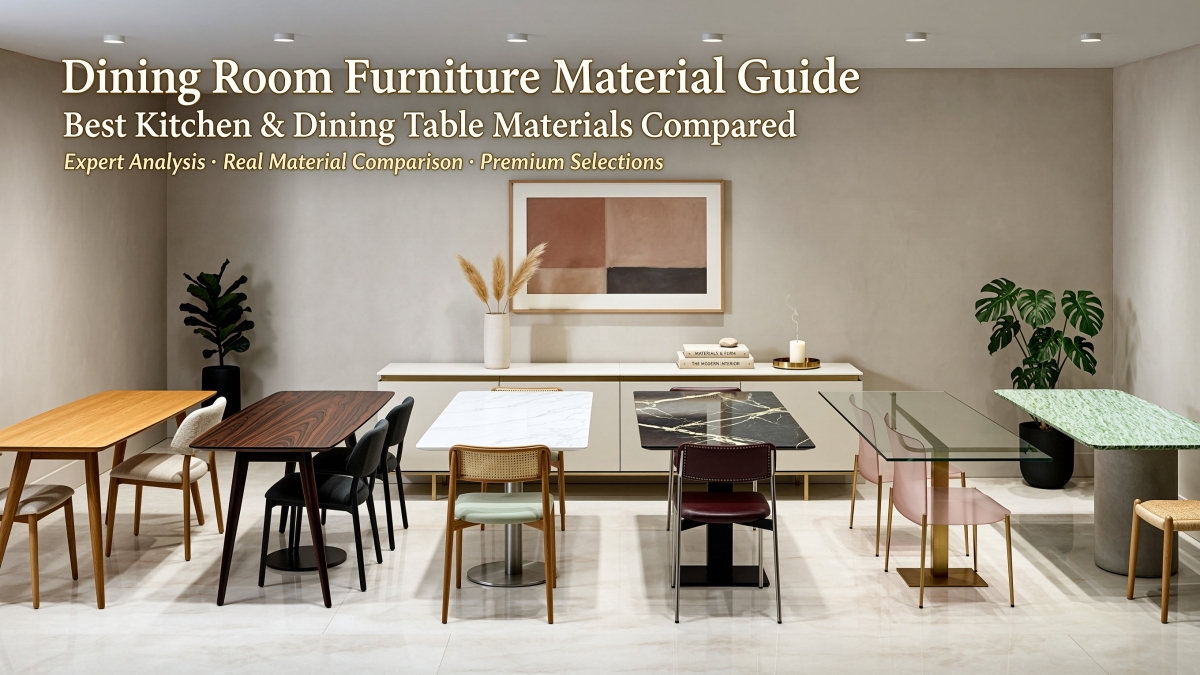
In today’s furniture market, buyers can choose from many dining table materials, including solid wood, oak, walnut, marble, glass, ceramic, sintered stone, engineered wood, metal, high-gloss surfaces, and mixed-material designs. Each material has its own strengths and limitations. Wood offers warmth and natural character. Marble provides luxury and visual impact. Glass makes rooms feel larger and brighter, although it can show fingerprints. Stone-effect and ceramic surfaces combine modern beauty with practical performance. Metal adds strength and structure, especially for table bases and functional mechanisms.
At Movvon Furniture, we understand that a dining table must be more than beautiful. It must be practical, adaptable, durable, and ready for modern homes and competitive furniture markets. Founded with a vision to redefine functional living, Movvon Furniture has grown into one of China’s leading manufacturers of modern dining and coffee tables. With over 16 years of expertise in functional furniture design, we combine original craftsmanship, patented mechanisms, factory-direct efficiency, automated production lines, precision testing, and 100% unit-by-unit quality control to deliver reliable furniture solutions for distributors, retailers, e-commerce brands, and project buyers worldwide.
This complete material guide will help homeowners, interior designers, retailers, wholesalers, and B2B furniture buyers compare the most popular kitchen and dining room table materials. We will explain the advantages, disadvantages, ideal applications, maintenance tips, design styles, and commercial value of each option, so you can make a smarter decision when selecting or sourcing modern Dining Room Furniture.
Why Dining Table Material Matters
Dining table material is one of the most important factors in selecting Dining Room Furniture because it influences almost every part of the user experience. A table may look attractive in a showroom or online image, but the material determines how it performs during daily use. Families place hot dishes, plates, glasses, laptops, children’s homework, decorations, and cleaning products on dining tables every day. The surface must be able to handle real-life activity.
The right material also affects the mood of the dining room. Natural wood creates warmth and comfort. Marble introduces luxury and elegance. Glass feels light, clean, and modern. Ceramic and sintered stone surfaces create a refined contemporary look while offering practical benefits. Metal bases provide structure and a more architectural appearance. When these materials are selected carefully, they help define the entire dining space.
Material choice also matters for furniture businesses. Retailers and distributors need products that are attractive, reliable, easy to explain, and suitable for their target markets. E-commerce brands need materials that photograph well, ship safely, and generate positive reviews. Project buyers need tables that combine design appeal with consistent quality and manageable maintenance.
For modern dining furniture, especially extendable and multifunctional tables, the material must also work with the table mechanism. The tabletop should be stable, the base should support movement, and the finished product should remain durable after repeated use. This is why experienced manufacturing and strict quality control are so important.
What Is the Best Kitchen & Dining Room Table Material?
The best kitchen and dining room table material depends on the buyer’s lifestyle, design preference, budget, maintenance expectations, and space conditions. There is no single material that is perfect for every home or market. Instead, the best choice is the material that matches how the table will be used.
For families who want warmth, long-term character, and a natural look, solid wood such as oak or walnut is often an excellent choice. For luxury interiors and high-end dining rooms, marble and marble-effect surfaces provide a strong visual statement. For small apartments and bright modern spaces, glass can help the room feel larger and more open. For customers who want a balance of style, durability, and easy maintenance, stone-effect, ceramic, or engineered surfaces can be highly practical.
In the kitchen and dining category, tables are often exposed to food, moisture, heat, movement, and frequent cleaning. Therefore, buyers should consider more than appearance. They should ask: Is the surface scratch-resistant? Is it easy to clean? Does it stain easily? Is it heavy? Can it support an extension mechanism? Does it suit the design style of the room? Will it remain attractive after years of use?
For B2B buyers, the best material also depends on market positioning. A premium retailer may prioritize solid walnut, luxury stone, or marble-effect surfaces. A mass-market e-commerce brand may prefer durable engineered materials with attractive finishes and efficient packaging. A project buyer may need consistent quality, stable supply, and customizable dimensions. Movvon Furniture supports these different needs through OEM and ODM services, functional design expertise, and factory-direct production efficiency.
Solid Wood Dining Tables
Solid wood is one of the most classic and beloved dining table materials. It has been used for generations because it offers natural beauty, strength, and a warm emotional connection. Every piece of solid wood has unique grain, color variation, and texture, making each table feel individual.
Advantages of Solid Wood Dining Tables
The biggest advantage of solid wood is warmth. A wood dining table instantly makes a dining room feel more comfortable and welcoming. It works beautifully in traditional, rustic, Scandinavian, Japandi, modern farmhouse, contemporary, and luxury interiors. Unlike some synthetic materials, wood has depth and character that can become richer over time.
Solid wood is also durable when properly constructed and maintained. A high-quality wood table can last for many years and may even be refinished if the surface becomes worn. This gives wood strong long-term value. Many customers also appreciate wood because it feels natural and timeless rather than trend-dependent.
Wood is also versatile. It can be finished in light, medium, dark, matte, brushed, smoked, or stained tones. It can be paired with metal legs, upholstered chairs, leather seating, stone accents, or minimalist cabinets. This makes it one of the most flexible options in Dining Room Furniture design.
Disadvantages of Solid Wood Dining Tables
Solid wood is not completely maintenance-free. It can be affected by humidity, dryness, direct sunlight, heat, and liquid spills. If not protected properly, it may develop stains, scratches, dents, or slight movement over time. Because wood is a natural material, expansion and contraction can occur in changing climates.
Solid wood tables may also be heavier and more expensive than engineered alternatives. Large solid wood tables require careful sourcing, drying, manufacturing, and finishing. For B2B buyers, this means cost, packaging, and shipping weight must be considered.
Best Uses for Solid Wood Dining Tables
Solid wood is ideal for customers who value natural character, long-term durability, and a warm home atmosphere. It is especially suitable for family dining rooms, premium residential projects, boutique hospitality spaces, and high-end retail collections.
Oak Dining Tables
Oak is one of the most popular wood choices for dining tables because it combines strength, visible grain, and broad design compatibility. Oak can look rustic, Scandinavian, classic, or modern depending on the finish and table design.
Why Choose Oak?
Oak has a strong grain pattern that adds natural texture to a dining room. Light oak finishes are especially popular in modern minimalist and Nordic-inspired interiors because they create a bright, clean, and natural feeling. Darker oak finishes can look more traditional or sophisticated.
Oak is also valued for durability. It is a hardwood that can withstand regular use when properly finished. For families, oak offers a practical balance of beauty and strength. For retailers, oak-style dining tables have wide market appeal because customers recognize the material and associate it with quality.
Potential Considerations
Oak can be heavy, and genuine solid oak may be more expensive than oak veneer or oak-effect engineered surfaces. The visible grain, while attractive to many people, may not suit customers who prefer a very smooth or ultra-minimal appearance. Like other woods, oak should be protected from excessive moisture and heat.
Best Design Pairings for Oak Tables
Oak dining tables pair well with beige fabric chairs, black metal legs, cream boucle seating, leather side chairs, and minimalist sideboards. In modern dining rooms, oak can soften the appearance of stone, glass, or metal accents and create a balanced natural environment.
Walnut Dining Tables
Walnut is a premium wood choice known for its rich color, elegant grain, and refined appearance. Compared with oak, walnut often feels darker, warmer, and more luxurious. It is commonly used in upscale dining rooms, executive interiors, boutique hotels, and premium furniture collections.
Advantages of Walnut Dining Tables
Walnut provides a deep, sophisticated look that works well with modern luxury, mid-century modern, contemporary, and high-end minimalist interiors. Its natural brown tones create a sense of comfort while still feeling elegant. Walnut dining tables often pair beautifully with black leather chairs, brass accents, marble-effect surfaces, and warm lighting.
Walnut is also valued for its smooth grain and premium market image. Customers who choose walnut often want furniture that feels distinctive and refined. For B2B furniture brands, walnut or walnut-effect finishes can help create higher perceived value.
Disadvantages of Walnut Dining Tables
Walnut is typically more expensive than many other wood options. It may also be softer than some hardwoods, so surface protection is important. Direct sunlight can affect the color over time, and regular care helps preserve its beauty.
Best Uses for Walnut Tables
Walnut is ideal for premium residential dining rooms, luxury apartments, villa projects, executive dining areas, and high-end furniture showrooms. It is also excellent for brands that want to position their Dining Room Furniture collection toward a refined, design-conscious customer base.
Marble Dining Tables
Marble is one of the most luxurious dining table materials. It is associated with elegance, status, and timeless beauty. A marble dining table can become the visual centerpiece of a room immediately, especially when paired with sculptural bases, upholstered chairs, and dramatic lighting.
Advantages of Marble Dining Tables
The biggest advantage of marble is its visual impact. Natural veining creates a unique pattern on every tabletop, giving the dining room a premium and artistic feeling. White marble can create a bright and elegant atmosphere, while black marble or dark veined marble feels bold and dramatic.
Marble also has a cool, solid feel that many customers associate with luxury. It works especially well in formal dining rooms, modern luxury interiors, hotel-style homes, and high-end project spaces. When used correctly, marble can elevate the entire dining environment.
Disadvantages of Marble Dining Tables
Marble is beautiful but demanding. Natural marble is porous, which means it can absorb liquids and develop stains if not properly sealed. Acidic substances such as wine, lemon juice, vinegar, and some cleaning products may damage the surface. Marble can also scratch or chip if treated roughly.
Weight is another major factor. Marble tables are heavy, making transport, installation, and packaging more challenging. For extendable dining tables, natural marble may not always be the most practical option because of weight and mechanism requirements.
Best Uses for Marble Dining Tables
Marble is best for customers who prioritize luxury appearance and are willing to maintain the surface carefully. It is suitable for formal dining rooms, premium villas, luxury apartments, hospitality environments, and high-end showrooms.
Glass Dining Tables
Glass dining tables are popular in modern interiors because they create a sense of openness and lightness. A glass tabletop allows more visual space to remain visible, which can make small dining rooms or apartments feel larger.
Advantages of Glass Dining Tables
The main benefit of glass is visual transparency. Unlike solid wood or stone, glass does not visually block the room. This makes it ideal for compact spaces, open-plan apartments, and interiors where designers want to maintain a bright and airy feeling.
Glass also pairs well with many base materials, including metal, wood, stone, and sculptural pedestal designs. A glass table can look modern, minimalist, artistic, or glamorous depending on the shape and base design.
Cleaning glass is usually simple in terms of removing food residue, but maintaining a spotless appearance requires frequent wiping. For customers who enjoy a clean contemporary look, glass can be very attractive.
Disadvantages of Glass Dining Tables
The most common complaint about glass is that it easily shows fingerprints, dust, water spots, and smudges. In a busy household, the tabletop may need frequent cleaning to remain visually perfect. Glass can also feel colder and less cozy than wood.
Safety and durability are important considerations. Tempered glass is much safer and stronger than ordinary glass, but it can still chip, crack, or break under extreme impact. For families with young children, sharp corners and visible fingerprints may be concerns.
Best Uses for Glass Dining Tables
Glass dining tables are best for small spaces, contemporary apartments, minimalist interiors, and customers who want a visually light dining solution. They are also effective in showrooms where the table base is a key design feature, because the transparent top allows the base to stand out.
Stone-Effect and Sintered Stone Dining Tables
Stone-effect and sintered stone dining tables have become increasingly popular in modern Dining Room Furniture because they offer the luxury look of natural stone with practical advantages. These materials can imitate marble, granite, or other stone textures while providing strong performance for daily use.
Advantages of Stone-Effect and Sintered Stone Tables
One major advantage is style versatility. Stone-effect surfaces can deliver white marble, black veined, ivory, gray, or dramatic luxury patterns without some of the maintenance challenges of natural marble. They are especially suitable for modern dining rooms, luxury apartments, hotel-style interiors, and contemporary furniture collections.
Sintered stone is known for being hard, dense, and practical. Depending on the product specification, it may offer strong resistance to scratches, stains, heat, and everyday cleaning. This makes it appealing to customers who want the look of stone but need a more user-friendly surface.
Stone-effect tabletops also photograph very well for e-commerce and catalog marketing. A bold veined tabletop can create strong visual impact in product images, helping online shoppers understand the style immediately.
Disadvantages and Considerations
Some stone-effect surfaces can still be heavy, especially when combined with strong support structures. Edge design, packaging protection, and installation instructions must be carefully considered. Lower-quality printed stone finishes may look less realistic, so buyers should evaluate surface quality, gloss, texture, and durability.
Best Uses for Stone-Effect Dining Tables
Stone-effect and sintered stone tables are ideal for modern homes, urban apartments, luxury-style dining rooms, hospitality projects, and e-commerce furniture collections. They are also excellent for extendable or drop-leaf table designs when engineered properly.
Ceramic Dining Tables
Ceramic dining tables are another strong option for buyers who want a refined surface with practical performance. Ceramic tabletops can offer modern patterns, stone-like designs, matte or glossy finishes, and a sophisticated appearance.
Advantages of Ceramic Dining Tables
Ceramic surfaces are often appreciated for being easy to clean and resistant to many common dining room challenges. They can provide a smooth, elegant look while supporting modern minimalist and luxury furniture styles. Ceramic can also be thinner than some stone slabs, creating a sleek design profile.
For kitchen and dining use, ceramic can be attractive because it handles everyday meals, drinks, and cleaning routines well when manufactured to proper standards. It also offers many design possibilities, from subtle neutral finishes to dramatic marble-like patterns.
Disadvantages of Ceramic Dining Tables
Ceramic can be brittle under certain types of impact, especially at edges and corners. Proper edge protection, packaging, and handling are important. It may also feel cooler and harder than wood, which some customers may not prefer.
Best Uses for Ceramic Tables
Ceramic dining tables are suitable for modern apartments, family dining rooms, retail collections, and customers who want a stylish surface with relatively simple maintenance. They are especially strong when paired with metal bases, pedestal bases, or extendable table mechanisms designed for stability.
Engineered Wood and Veneer Dining Tables
Engineered wood and veneer dining tables offer practical value for many furniture markets. These tables may use MDF, plywood, particleboard, wood veneer, laminate, or other engineered structures to achieve attractive designs at more accessible price points.
Advantages of Engineered Wood Tables
Engineered wood can be more stable and cost-effective than solid wood in many applications. It allows manufacturers to create consistent finishes, modern shapes, lightweight structures, and efficient packaging. Veneer surfaces can provide the appearance of natural wood while using less solid timber.
For e-commerce and wholesale markets, engineered wood can be highly practical. It can reduce cost, support flat-pack or efficient shipping designs, and provide a wide range of finish options. Customers can enjoy the look of oak, walnut, or painted surfaces without the full cost of solid wood.
Disadvantages of Engineered Wood Tables
Not all engineered wood is equal. Low-quality materials may be less durable, more vulnerable to moisture, or difficult to repair if damaged. Edges, joints, surface sealing, and hardware quality are critical. Buyers should evaluate construction details rather than judging only by surface appearance.
Best Uses for Engineered Wood Tables
Engineered wood is suitable for value-focused dining furniture, apartment furniture, e-commerce collections, rental properties, and modern designs that require consistent production. When properly manufactured, it can deliver excellent market value.
Metal Dining Table Bases and Frames
Metal is often used for dining table bases, frames, support rails, extension mechanisms, and decorative accents. While full metal dining tabletops are less common for residential dining rooms, metal structures are essential in many modern tables.
Advantages of Metal Components
Metal provides strength, stability, and design flexibility. A metal pedestal base can support a heavy tabletop while creating a modern sculptural appearance. Metal legs can be slim yet strong, making the table look lighter. Metal rails and mechanisms are especially important for extendable dining tables.
Metal finishes such as black, brushed steel, gold-tone, bronze, and chrome can create different design moods. Black metal feels modern and industrial. Gold-tone metal adds luxury. Brushed steel supports a clean contemporary look.
Considerations for Metal Dining Furniture
Metal can scratch, chip, rust, or show fingerprints depending on the finish and environment. Quality coating and proper finishing are important. In coastal or humid markets, corrosion resistance should be considered.
Best Uses for Metal in Dining Tables
Metal is best used for bases, legs, frames, hardware, and functional table mechanisms. It pairs well with wood, glass, stone-effect, marble, and ceramic tabletops. For modern functional furniture, metal engineering plays a major role in product reliability.
Mixed-Material Dining Tables
Mixed-material dining tables combine two or more materials to create a balanced design. Common examples include a stone-effect tabletop with a metal pedestal base, a wood top with black metal legs, a glass top with a sculptural wooden base, or a ceramic top with a painted steel frame.
Why Mixed Materials Are Popular
Mixed materials allow designers to combine the strengths of different surfaces. A wood element can add warmth, a stone-effect top can add luxury, and a metal base can provide stability. This makes the table more visually interesting and often more functional.
Modern consumers often want furniture that feels personalized and design-led. A mixed-material table can stand out from basic dining furniture and become a statement piece. This is especially important in online sales, where strong visual differentiation can improve click-through and conversion.
How to Choose Mixed-Material Tables
The key is balance. Too many materials can make the design feel busy. A successful mixed-material table usually has one dominant material and one or two supporting materials. For example, a marble-effect top may be the focal point, while a dark metal pedestal provides support and contrast.
Best Materials for Extendable Dining Tables
Extendable dining tables require special material consideration because the tabletop and mechanism must work together smoothly. The table must be stable in both compact and extended positions. It must also handle repeated movement without losing alignment or strength.
Engineered wood, veneer, ceramic, sintered stone, and selected stone-effect surfaces can be strong options for extendable dining tables when designed correctly. Solid wood can also work, but movement from humidity and weight must be carefully managed. Natural marble may be more challenging for extension designs because of its weight and brittleness.
The base material is equally important. Metal support rails, durable hinges, smooth sliding tracks, and reinforced connection points are critical for long-term performance. A beautiful tabletop cannot compensate for a weak mechanism. This is one reason Movvon Furniture places strong emphasis on patented mechanisms, precision testing, and unit-by-unit quality control.
For customers, an extendable table provides flexibility. For B2B buyers, it provides a strong selling point. One table can serve small households, families, and entertaining needs. This adaptability helps retailers and distributors offer more value within a single product category.
Dining Table Material Comparison Chart
The following comparison provides a quick overview of common kitchen and dining room table materials:
Solid Wood | Warm, durable, natural, timeless, refinishable | Can scratch, stain, expand, contract, or require maintenance | Family homes, premium interiors, natural design styles |
Oak | Strong grain, durable, versatile, popular | Can be heavy, visible grain may not suit all styles | Scandinavian, modern, rustic, family dining rooms |
Walnut | Elegant, rich color, premium appearance | Higher cost, needs care from scratches and sunlight | Luxury homes, executive spaces, high-end collections |
Marble | Luxurious, unique veining, strong visual impact | Heavy, porous, can stain, scratch, or chip | Formal dining rooms, villas, luxury projects |
Glass | Bright, visually light, makes rooms feel larger | Shows fingerprints, smudges, dust, and possible chips | Small spaces, apartments, modern interiors |
Stone-Effect / Sintered Stone | Luxury look, practical surface, modern appeal | Quality varies, can be heavy, edge protection needed | Modern homes, e-commerce furniture, extendable tables |
Ceramic | Sleek, easy to clean, stylish, contemporary | Can be brittle at edges under impact | Modern dining rooms, apartments, retail collections |
Engineered Wood / Veneer | Cost-effective, consistent, versatile, efficient to ship | Quality depends on construction and sealing | E-commerce, wholesale, value-focused collections |
Metal | Strong, stable, ideal for bases and mechanisms | Can scratch, chip, rust, or show fingerprints depending on finish | Table bases, extension systems, modern frames |
How to Choose Table Material by Lifestyle
For Families with Children
Families with children need dining tables that can handle spills, frequent cleaning, homework, crafts, and daily meals. Durable engineered surfaces, ceramic, sintered stone, or well-finished wood can be good choices. Sharp glass corners or high-maintenance marble may require extra caution.
For Small Apartments
Small apartments benefit from visually light and space-saving materials. Glass can make the room feel larger, while light oak or slim ceramic tables can keep the space bright. Extendable tables are especially valuable because they offer flexibility without permanently occupying too much room.
For Luxury Dining Rooms
Luxury dining rooms often favor marble, walnut, stone-effect surfaces, ceramic, and sculptural metal bases. These materials create a premium visual identity and can be paired with upholstered chairs, sideboards, lighting, and decorative accents.
For Everyday Low-Maintenance Use
Customers who want easy maintenance should consider ceramic, sintered stone, high-quality engineered surfaces, or durable stone-effect tabletops. These options can provide attractive design with practical cleaning performance.
For Natural and Warm Interiors
Wood remains the best choice for warmth. Oak creates a bright, natural, casual mood, while walnut creates a deeper and more refined atmosphere. Wood is ideal for customers who want the dining room to feel inviting and comfortable.
How B2B Buyers Should Select Dining Table Materials
For distributors, retailers, e-commerce brands, and project buyers, choosing Dining Room Furniture materials requires a business perspective. The best-selling material is not always the most expensive material. It is the material that matches target customers, price range, logistics, product positioning, and after-sales expectations.
Consider Target Market Preferences
European markets often value minimalist designs, space-saving structures, and neutral finishes. North American markets may prefer larger tables, durable surfaces, and strong family-oriented designs. Australian and Asian markets may require a balance of compact size, modern appearance, and multifunctional practicality.
Consider Shipping and Packaging
Heavy materials such as marble and thick stone can increase shipping costs and damage risk. Glass requires careful packaging and handling. Engineered wood, ceramic, and selected stone-effect materials may offer better balance between appearance and logistics when properly designed.
Consider Online Presentation
For e-commerce, materials must photograph well and be easy to explain. Stone-effect tops, walnut finishes, oak textures, and modern pedestal bases often create strong product images. Clear product descriptions should explain surface benefits, care instructions, table dimensions, and extension functions.
Consider Customization
OEM and ODM customization can help brands differentiate their collections. Custom tabletop finishes, base colors, dimensions, extension mechanisms, packaging, and product photography support can all improve competitiveness. Movvon Furniture helps partners expand product portfolios and confidently meet customer demands in competitive markets.
Dining Table Material Care Tips
Proper care helps dining tables remain beautiful and functional for years. Different materials require different maintenance habits, so sellers should provide clear care instructions to customers.
Wood Table Care
Use placemats and coasters to protect the surface. Wipe spills quickly. Avoid placing hot pots directly on the tabletop. Keep the table away from extreme humidity, dryness, or direct sunlight. Use gentle cleaning products and avoid harsh chemicals.
Marble Table Care
Seal natural marble as recommended. Clean spills immediately, especially wine, coffee, citrus, or vinegar. Use pH-neutral cleaners. Avoid abrasive pads and acidic cleaning products. Use coasters, placemats, and serving boards.
Glass Table Care
Use a soft microfiber cloth to remove fingerprints and smudges. Avoid dropping heavy objects on the surface. Choose tempered glass for better safety. Protect edges and corners, especially in homes with children.
Ceramic and Stone-Effect Table Care
Wipe regularly with a soft cloth and mild cleaner. Avoid heavy impact on edges and corners. Follow the manufacturer’s instructions for heat, scratch, and stain resistance based on the specific product.
Metal Base Care
Wipe with a dry or slightly damp cloth. Avoid harsh chemicals that may damage the finish. Check screws, rails, or extension mechanisms periodically if the table includes moving parts.
Why Choose Movvon Furniture?
Movvon Furniture is your trusted partner for innovative, customizable tables. We were founded with a vision to redefine functional living, and today we have become one of China’s leading manufacturers of modern dining and coffee tables.
With over 16 years of expertise in functional furniture design, Movvon combines original craftsmanship, patented mechanisms, factory-direct efficiency, automated production systems, and strict quality control. From a small workshop in Foshan to a modern facility spanning more than 100,000 square feet, we have built the capacity to support global B2B partners with reliable and ready-to-market furniture solutions.
Our table designs focus on adaptability. Many Movvon tables are extendable, lift-top, or multifunctional, providing flexibility and value for homes and businesses worldwide. These features are especially important in modern markets where consumers want furniture that saves space, supports multiple uses, and remains stylish.
Movvon Furniture serves distributors, retailers, e-commerce brands, and project buyers across Europe, North America, Australia, and Asia. We understand the needs of competitive furniture markets and help partners expand product portfolios, maximize margins, and meet customer expectations with confidence.
Movvon Furniture Advantages
Over 16 years of experience in functional dining and coffee table design
Modern factory facility spanning more than 100,000 square feet
OEM and ODM customization for global B2B partners
Expertise in extendable, lift-top, and multifunctional table structures
Original craftsmanship and patented mechanisms
Factory-direct production efficiency
Automated production lines and precision testing
100% unit-by-unit quality control
Reliable support for distributors, retailers, e-commerce brands, and project buyers
Experience serving Europe, North America, Australia, and Asia
Final Thoughts: What Is the Best Dining Table Material?
The best kitchen and dining room table material depends on how the table will be used, where it will be placed, and what kind of design experience the buyer wants. Solid wood is warm, durable, and timeless. Oak is practical, natural, and widely loved. Walnut is rich, elegant, and premium. Marble is luxurious and visually powerful, but heavy and higher maintenance. Glass makes spaces feel larger and brighter, although it shows fingerprints easily. Ceramic, sintered stone, and stone-effect surfaces offer a modern balance of beauty and practicality. Engineered wood and veneer provide flexible value for retail and e-commerce markets. Metal is essential for strong bases, frames, and functional mechanisms.
For homeowners, the right material can make the dining room more beautiful, comfortable, and functional. For designers, it helps create a complete visual concept. For furniture businesses, material selection affects product positioning, logistics, customer satisfaction, and profitability.
If your goal is to build a modern Dining Room Furniture collection that combines style, function, flexibility, and commercial value, Movvon Furniture can help. Our experience in functional table design, OEM/ODM customization, patented mechanisms, and factory-direct production gives global partners the support they need to compete in today’s furniture market.
Contact Movvon Furniture for Custom Dining Table Solutions
Are you looking for modern dining tables, extendable dining tables, stone-effect dining tables, wood dining tables, coffee tables, or customizable furniture solutions for your market? Movvon Furniture is ready to support your next product collection or project.
Contact us today to discuss your material requirements, table designs, OEM/ODM customization, wholesale needs, or project furniture solutions. Partner with Movvon Furniture and bring innovative, durable, and market-ready dining tables to customers worldwide.
Contact Movvon Furniture today to start your next Dining Room Furniture project.
Hotline: +86 18566878661
Email: sales@movvon.com
Company Address: A District, Shatou Industrial Park, Foshan City