
 English
 简体中文
简体中文 Deutsch

When choosing Dining Room Furniture, many homeowners, interior designers, retailers, and project buyers ask the same question: are glass dining tables a good idea? The answer is yes — but only when the table matches the space, lifestyle, safety requirements, and design goals of the user. Glass dining tables can be elegant, modern, visually light, and highly effective in small rooms. However, they also require frequent cleaning, careful handling, and attention to safety details such as tempered glass, rounded corners, stable bases, and proper installation.
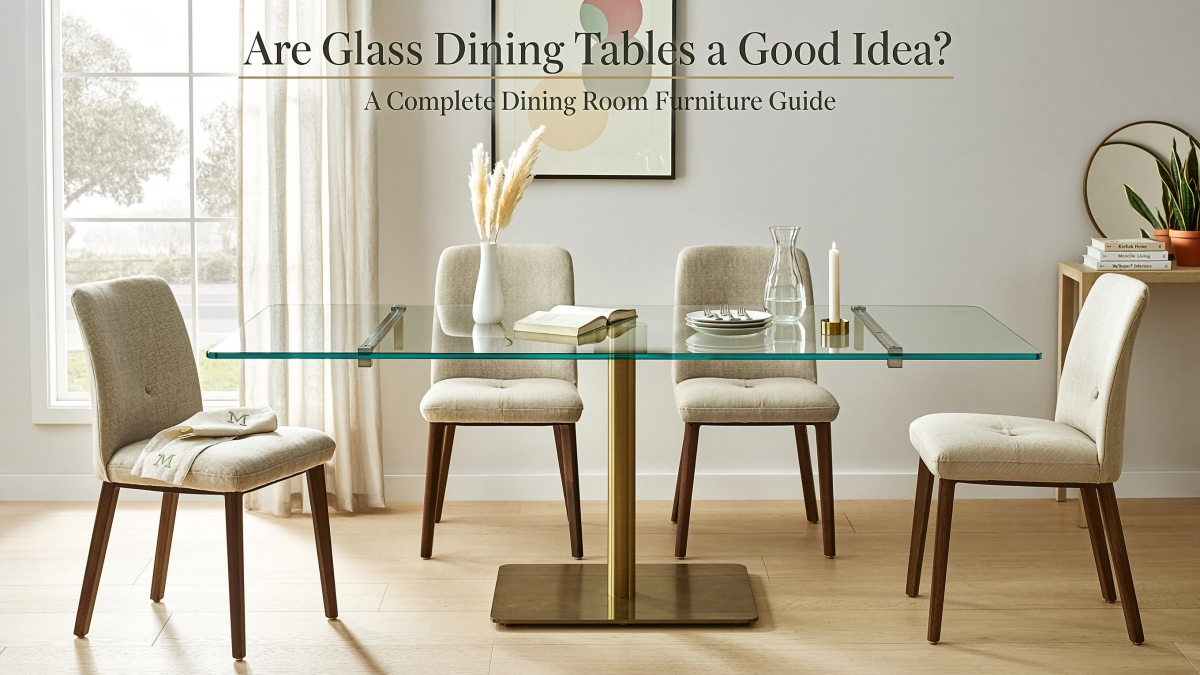
A dining table is more than a piece of furniture. It is the center of daily meals, family conversations, social gatherings, remote work, children’s homework, and home styling. Because the table is used so frequently, the material matters. Wood creates warmth, marble delivers luxury, ceramic offers practical elegance, and glass creates openness and visual extension. Among these materials, glass is one of the most distinctive because it changes the way a room feels. Instead of visually blocking the dining area, a glass tabletop allows light to pass through and makes the floor, chairs, and base structure remain visible. This makes the room feel brighter, cleaner, and more spacious.
At Movvon Furniture, we understand that modern dining tables must balance beauty, function, durability, and market value. Founded with a vision to redefine functional living, Movvon Furniture has grown into one of China’s leading manufacturers of modern dining and coffee tables. With over 16 years of expertise in functional furniture design, we combine original craftsmanship, patented mechanisms, automated production lines, precision testing, factory-direct efficiency, and 100% unit-by-unit quality control to deliver reliable, ready-to-market furniture solutions for global partners.
In this complete guide, we will explain the advantages and disadvantages of glass dining tables, when they are a good idea, when they may not be the best choice, how to choose a safe and durable glass table, how to clean and maintain it, and how B2B buyers can evaluate glass dining tables for retail, e-commerce, and project furniture markets.
Quick Answer: Are Glass Dining Tables a Good Idea?
Yes, glass dining tables are a good idea for many homes and commercial spaces, especially when the goal is to create a brighter, more open, and more modern dining area. They are particularly useful in small apartments, compact dining rooms, open-plan kitchens, and contemporary interiors where visual lightness is important.
A glass dining table can make a space feel larger because the transparent tabletop does not visually interrupt the room. It allows the eye to travel through the table, making the dining area feel less crowded. This is one of the biggest reasons glass remains popular in modern Dining Room Furniture design.
However, glass dining tables are not perfect for everyone. They can show fingerprints, dust, water marks, and food smudges more easily than wood or stone-effect surfaces. They may need to be wiped frequently to maintain a clean showroom look. Some buyers also worry about safety, especially in homes with young children or pets. These concerns can be reduced by choosing tempered glass, rounded edges, stable bases, proper thickness, and reliable manufacturing quality.
In short, glass dining tables are a good idea if you want a modern, elegant, space-enhancing table and you do not mind regular cleaning. They may not be ideal if you want a warm rustic look, a very low-maintenance surface, or a table for rough daily use without concern for fingerprints or impact.
What Is a Glass Dining Table?
A glass dining table is a dining table that uses glass as the main tabletop material. The base may be made from metal, wood, stone, engineered wood, stainless steel, or a combination of materials. In many modern designs, the glass top is paired with a sculptural base, allowing the structure underneath to become part of the visual design.
Glass dining tables may come in different shapes, including round, rectangular, oval, square, and irregular designer forms. They may use clear glass, tinted glass, frosted glass, smoked glass, black glass, or patterned glass. The glass may be supported by a pedestal base, four legs, crossed legs, a metal frame, or a central column.
High-quality dining tables normally use tempered glass rather than ordinary glass. Tempered glass is processed to be stronger and safer than standard glass. For dining furniture, this is extremely important because the table must handle plates, cups, serving dishes, decorative objects, and daily movement.
In modern dining room design, glass is often chosen not only for function but also for the atmosphere it creates. It can make a table appear lighter, cleaner, and more architectural. It is especially effective when the base design is unique, because the transparent top keeps the base visible.
Why Glass Dining Tables Are Popular in Modern Dining Room Furniture
Glass dining tables remain popular because they solve a common interior design problem: how to add a functional dining table without making the space feel heavy. Many modern homes, especially apartments and open-plan layouts, do not have large separate dining rooms. The dining area may share space with the kitchen, living room, or hallway. In these cases, bulky furniture can make the room feel crowded.
A glass dining table helps reduce visual weight. Even if the table is physically large enough for four, six, or eight people, it may appear lighter than a solid wood or marble table of the same size. This visual transparency is valuable for homeowners who want practical seating without losing openness.
Glass also fits well with contemporary aesthetics. It works with metal, leather, velvet, wood, marble-effect finishes, and minimalist décor. Clear glass can feel clean and neutral. Smoked glass can feel elegant and dramatic. Frosted glass can soften the look and reduce visible marks. Because of this flexibility, glass dining tables can be positioned in many product collections, from affordable modern furniture to premium designer-inspired pieces.
For retailers and e-commerce brands, glass dining tables can also photograph well. The reflective surface, visible base structure, and sense of brightness can make product images appear stylish and attractive. This gives glass tables strong marketing potential when they are designed, photographed, and described correctly.
Advantages of Glass Dining Tables
1. Glass Dining Tables Make Rooms Feel Larger
One of the greatest advantages of a glass dining table is its ability to visually expand a room. Because the tabletop is transparent, it does not create a large visual block. The floor remains visible, the chair legs remain visible, and light can move through the area more freely.
This is especially helpful in small dining rooms, studio apartments, compact kitchens, and open-plan living areas. A solid table may make the space feel full, while a glass table can provide the same function with a lighter appearance. For customers shopping for Dining Room Furniture in urban homes, this benefit is highly attractive.
2. Glass Creates a Clean and Modern Look
Glass has a sleek and contemporary appearance. It can instantly make a dining area feel more modern, especially when paired with slim metal legs, a pedestal base, or upholstered dining chairs. Clear glass works well in minimalist spaces, while smoked or tinted glass can create a more luxurious mood.
For homeowners who want a dining area that feels fresh, open, and design-led, glass is an excellent material. It does not overpower other elements in the room, so it allows lighting, chairs, rugs, wall art, and cabinets to stand out.
3. Glass Matches Many Interior Styles
A glass dining table is surprisingly versatile. It can work with modern, minimalist, contemporary, industrial, luxury, Scandinavian, and even transitional interiors. The final style depends on the table base and surrounding furniture.
For example, a glass top with black metal legs feels modern and industrial. A glass top with a warm wooden base feels softer and more natural. A glass top with a gold-tone pedestal base feels glamorous. A smoked glass top with dark chairs creates a moody high-end look.
4. Glass Highlights the Table Base
Many dining tables have beautiful base designs, but a solid tabletop can hide much of the structure. Glass solves this issue by allowing the base to remain visible. This makes glass especially suitable for sculptural bases, crossed-leg frames, geometric supports, or statement pedestal designs.
For furniture brands, this is important because the base can become a key design feature. A distinctive base helps differentiate the product from competitors and creates stronger visual identity in catalogs and online product listings.
5. Glass Is Easy to Wipe Clean
In terms of basic cleaning, glass is simple. Food residue, water, and dust can usually be removed with a soft cloth and appropriate glass cleaner. Unlike some porous materials, glass does not absorb spills in the same way as untreated natural stone or unsealed wood.
This makes glass practical for users who clean frequently and want a surface that can quickly return to a polished look. However, as explained later, glass also shows marks easily, so easy cleaning does not mean low-frequency cleaning.
6. Glass Can Make Dining Chairs More Visible
If the dining chairs are an important part of the design, a glass table helps display them. Upholstered chairs, leather chairs, sculptural chairs, and wooden chairs can all become more visible around a transparent tabletop. This is useful for complete dining set displays, showroom styling, and online product photography.
7. Glass Can Feel Elegant Without Being Heavy
Marble and stone tables can look luxurious, but they are often visually and physically heavy. Glass offers a different kind of elegance. It feels refined and light rather than massive. This makes it suitable for customers who want sophistication without making the dining room feel formal or crowded.
Why Glass Dining Tables Are Great for Small Spaces
Small-space living is one of the strongest reasons to choose a glass dining table. In apartments, condos, compact kitchens, and multifunctional living areas, every piece of furniture must be carefully selected. A dining table is necessary, but it can easily dominate the room if it has a heavy visual presence.
A glass dining table solves this problem by creating visual continuity. The eye can see through the tabletop, which makes the dining area feel more open. This does not physically increase the room size, but it changes the perception of space. The room feels less interrupted and less crowded.
Round glass dining tables are especially effective in small rooms because they remove sharp visual corners and improve circulation. A round glass table can fit into a corner, breakfast nook, or compact dining zone while still allowing comfortable movement around it. Rectangular glass tables can work well in narrow dining areas, especially when paired with slim chairs.
For furniture retailers, this is a strong selling point. Many customers are looking for furniture that fits modern city living. A glass dining table can be marketed as a space-enhancing solution for apartments, small homes, rental properties, and open-plan layouts.
Design Styles That Work Well with Glass Dining Tables
Modern Minimalist Style
In minimalist interiors, glass works well because it reduces visual clutter. A clear glass top with a simple black or chrome base creates a clean, balanced look. Pair it with neutral dining chairs, a plain rug, and soft lighting for a calm modern dining space.
Luxury Contemporary Style
For luxury interiors, smoked glass or tinted glass can be paired with gold-tone metal, dark walnut finishes, velvet chairs, or marble-effect accents. This creates a refined atmosphere without relying on a heavy stone tabletop.
Industrial Style
Glass and metal are a natural match for industrial design. A glass tabletop with black steel legs or a geometric metal frame can create a strong architectural look. This style works well in loft apartments, restaurants, cafes, and modern commercial projects.
Scandinavian and Light Natural Style
Although wood is more typical in Scandinavian interiors, glass can still work when paired with light oak chairs, soft fabrics, and natural textures. The glass keeps the room bright while the wood adds warmth.
Small Apartment Style
In compact homes, a glass dining table can be combined with slim dining chairs, wall-mounted storage, and light-colored décor. The result is a functional dining area that does not visually overwhelm the room.
Disadvantages of Glass Dining Tables
Although glass dining tables have many benefits, they also have disadvantages. Understanding these limitations helps buyers make realistic decisions and reduces after-sales problems for furniture businesses.
1. Glass Shows Fingerprints and Smudges Easily
The most common complaint about glass dining tables is that they show fingerprints, dust, water rings, food marks, and cleaning streaks. This is especially noticeable on clear or glossy glass surfaces. In a busy home, the table may need to be wiped several times a day to maintain a perfect appearance.
For some customers, this is not a major issue because glass is easy to clean. For others, the constant visibility of marks can become frustrating. Retailers should be honest about this point so customers understand the maintenance expectations before purchase.
2. Glass Can Feel Cold or Less Cozy
Compared with wood, glass can feel colder and less emotional. Wood has grain, warmth, and natural texture. Glass is smooth, hard, and reflective. In some homes, this creates a beautiful modern look. In others, it may feel less comfortable or less family-oriented.
This disadvantage can be reduced by pairing glass tables with upholstered chairs, warm lighting, wooden floors, rugs, curtains, and natural decorative elements. The surrounding materials can soften the overall look.
3. Glass Can Be Noisy
Plates, cups, cutlery, and serving dishes may sound louder when placed on glass compared with wood or fabric-covered surfaces. The hard tabletop can create sharper sounds during meals. Placemats and table runners can help reduce noise and protect the surface.
4. Glass Has Safety Concerns
Safety is one of the biggest concerns with glass dining tables. Although high-quality tempered glass is much safer than ordinary glass, any glass product still requires proper care. Impacts on edges, heavy objects dropped from height, poor installation, or unstable bases can create risk.
This is why buyers should choose reputable manufacturers, proper glass thickness, smooth edges, stable structures, and professional packaging. Safety is not only about the material; it is also about engineering, quality control, and responsible use.
5. Glass May Scratch or Chip
Glass can scratch, especially if abrasive objects are dragged across the surface. Edges can chip if struck by hard items. Although glass is durable for normal dining use, it is not indestructible. Coasters, placemats, and careful handling are recommended.
6. Glass Requires Careful Packaging and Shipping
For B2B buyers, logistics are an important consideration. Glass tabletops require strong packaging, corner protection, shock absorption, and clear handling instructions. Poor packaging can increase damage risk during shipping. This is especially important for e-commerce and international distribution.
Do Glass Dining Tables Show Fingerprints?
Yes, glass dining tables show fingerprints more easily than many other dining table materials. Fingerprints are especially visible on clear glass, black glass, and glossy tinted glass. Water spots, dust, and cleaning streaks can also be noticeable under natural light or overhead lighting.
This does not mean glass is difficult to clean. In fact, the surface itself can be wiped quickly. The issue is frequency. A glass table may need cleaning more often if the user wants it to look spotless all the time. Families with children, households that eat at the table every day, or homes with pets may notice marks more often.
Buyers who love the glass look but worry about fingerprints may consider frosted glass, textured glass, smoked glass, or table settings that use placemats and runners. These can reduce the visibility of everyday marks while keeping the light and modern feeling of glass.
Are Glass Dining Tables Safe?
Glass dining tables can be safe when they are properly designed, manufactured, installed, and used. The key safety factors include glass type, glass thickness, edge finishing, base stability, connection quality, and user behavior.
A safe glass dining table should use tempered glass or another suitable safety glass. The edges should be polished and smooth. Rounded corners can be safer than sharp corners, especially in family homes. The base must be stable enough to support the tabletop without wobbling. The connection between the glass and the base should be secure and reliable.
Safety also depends on how the table is used. Users should avoid sitting or standing on the tabletop, dropping heavy objects onto the surface, dragging abrasive items across the glass, or moving the table incorrectly. For families with children, additional corner protectors or round table shapes may be preferred.
For furniture businesses, safety should be part of product development and quality control. Clear assembly instructions, protective packaging, quality testing, and accurate product descriptions can help reduce risk and improve customer trust.
Tempered Glass vs. Ordinary Glass: Which Is Better for Dining Tables?
Tempered glass is usually the better choice for dining tables. It is processed through controlled heating and cooling to improve strength compared with ordinary glass. When broken, tempered glass is designed to break into smaller granular pieces rather than large sharp shards, which can reduce injury risk.
Ordinary glass is not recommended for dining tables because it is more fragile and can break into dangerous sharp pieces. Since a dining table is used daily and may experience impact, pressure, cleaning, and movement, safety glass is an important requirement.
When evaluating a glass dining table, buyers should ask about glass type, thickness, edge treatment, base support, load capacity, and packaging standards. A beautiful glass table is only a good idea if it is also safe and structurally reliable.
Are Glass Dining Tables Good for Families with Children?
Glass dining tables can work for families with children, but they require careful selection. Parents should consider safety, cleaning frequency, edge design, and daily use habits.
For families with very young children, a round or oval glass table with smooth edges may be safer than a rectangular table with sharp corners. Tempered glass is essential. A stable base is also important because children may lean on the table or bump into it during daily activity.
The cleaning issue is also important. Children often leave fingerprints, food marks, and water spots, so glass tables in family homes may require frequent wiping. Some families may not mind this because glass is quick to clean. Others may prefer wood, ceramic, or stone-effect surfaces that hide marks better.
In summary, glass can be suitable for families if the table is safe, stable, and easy to maintain. However, for households that want a very forgiving surface with minimal cleaning and lower impact concerns, another material may be more practical.
Glass Dining Tables Compared with Wood, Marble, and Ceramic
To decide whether a glass dining table is a good idea, it helps to compare glass with other popular Dining Room Furniture materials.
Glass vs. Wood Dining Tables
Wood feels warmer, more natural, and more traditional than glass. It is often better for cozy family dining rooms, rustic interiors, Scandinavian spaces, and homes that prioritize natural texture. Glass feels more modern, open, and visually light. It is better for small spaces and contemporary interiors.
Wood can hide fingerprints better than glass, but it may be more sensitive to moisture, heat, scratches, and humidity depending on the finish. Glass does not absorb spills like unfinished wood, but it shows marks more easily.
Glass vs. Marble Dining Tables
Marble creates a luxury statement and has natural veining that makes each table unique. However, marble is heavy, porous, and more demanding to maintain. Glass is lighter in appearance and can make a space feel more open. It is generally easier to wipe clean, but it lacks the rich stone texture of marble.
For luxury formal dining rooms, marble may feel more impressive. For compact apartments or modern open-plan spaces, glass may be more suitable.
Glass vs. Ceramic Dining Tables
Ceramic tables offer modern style and practical surface performance. They often hide smudges better than glass and can provide stone-like patterns. Glass provides greater transparency and visual openness. Ceramic may be better for users who want a lower-maintenance surface, while glass is better for users who want a light and spacious look.
Glass vs. Stone-Effect Dining Tables
Stone-effect tables can offer a luxury look with practical benefits, depending on the material quality. They may feel more solid and substantial than glass. Glass, however, is more effective for visual extension and highlighting the base design. The choice depends on whether the customer values openness or surface pattern more.
Glass | Visual openness, modern style, small-space friendly | Fingerprints, smudges, safety concerns | Apartments, contemporary interiors, display-focused designs |
Wood | Warmth, natural texture, timeless appeal | May scratch, stain, or react to humidity | Family homes, natural interiors, long-term use |
Marble | Luxury appearance, unique veining | Heavy, porous, higher maintenance | Premium dining rooms, villas, formal interiors |
Ceramic | Modern look, practical cleaning, stylish surface | Edge impact concerns, colder feel | Modern homes, everyday dining, retail collections |
Stone-Effect | Luxury pattern, strong visual appeal | Quality varies, may be heavy | Contemporary homes, e-commerce, project furniture |
How to Choose a Good Glass Dining Table
Choosing a good glass dining table requires more than selecting a beautiful shape. Buyers should evaluate safety, structure, material quality, lifestyle fit, and design compatibility.
1. Choose Tempered Glass
Tempered glass should be a priority for dining tables. It offers better strength and safer breakage behavior than ordinary glass. For daily dining use, this is one of the most important quality factors.
2. Check Glass Thickness
The tabletop should be thick enough to feel stable and durable. Very thin glass may feel fragile or create customer confidence issues. The right thickness depends on table size, shape, base support, and product design.
3. Look for Smooth and Safe Edges
Polished edges, beveled edges, or rounded corners can improve safety and comfort. Sharp edges should be avoided, especially for family dining rooms or high-traffic spaces.
4. Evaluate Base Stability
A glass tabletop needs a stable base. Wobbling can make users feel unsafe and may increase risk. The base should support the glass evenly and remain steady during daily use.
5. Consider Shape and Room Size
Round glass tables are excellent for small spaces and conversation-friendly dining. Rectangular glass tables are better for longer rooms and larger families. Oval glass tables offer a softer look with more seating flexibility.
6. Match the Table with Dining Chairs
Because glass makes the chairs more visible, chair selection becomes more important. Upholstered chairs can soften the look. Wooden chairs can add warmth. Metal or leather chairs can create a more modern or luxury style.
7. Think About Cleaning Habits
If the user wants a spotless table at all times, glass requires frequent cleaning. Buyers should be comfortable with this maintenance habit before choosing glass.
8. Choose a Reliable Manufacturer
A glass dining table must be produced with careful engineering, quality materials, and strict inspection. Reliable manufacturing reduces safety concerns, improves packaging performance, and supports long-term customer satisfaction.
How to Clean and Maintain a Glass Dining Table
Glass dining tables can stay beautiful with proper care. The key is regular cleaning and careful handling.
Daily Cleaning Tips
Use a soft microfiber cloth to wipe fingerprints and dust.
Use a suitable glass cleaner or mild cleaning solution.
Dry the surface after cleaning to reduce streaks.
Use placemats during meals to reduce food marks and noise.
Use coasters for cups and glasses to prevent water rings.
What to Avoid
Do not use abrasive pads that may scratch the surface.
Do not drag ceramic plates, metal objects, or rough decorations across the glass.
Do not place extremely heavy objects on unsupported areas.
Do not sit, stand, or lean heavily on the tabletop.
Do not ignore loose fittings or unstable bases.
How to Keep Glass Looking Showroom-Ready
To maintain a polished appearance, wipe the table after meals and use a dry microfiber cloth for final finishing. If the table is placed near windows or under strong lighting, streaks may be more visible, so careful drying is helpful. A table runner can reduce marks while adding softness to the dining space.
Glass Dining Tables for B2B Buyers, Retailers, and E-Commerce Brands
For B2B buyers, glass dining tables can be a valuable category within a Dining Room Furniture collection. However, they must be selected carefully to balance design appeal, safety, logistics, packaging, and after-sales performance.
Market Positioning
Glass dining tables are attractive for modern, compact, and design-focused markets. They can be positioned for apartment living, urban homes, contemporary interiors, and small-space dining solutions. Smoked or tinted glass can support a more premium style, while clear glass can appeal to minimalist and value-focused buyers.
Product Photography and Online Sales
Glass tables can look excellent in product photography, but lighting must be controlled to avoid excessive reflections. The base design should be clearly shown, and lifestyle images should demonstrate how the glass table makes a room feel larger and brighter.
Packaging and Shipping
Packaging is critical for glass furniture. Corners, edges, and surfaces must be protected with strong materials. Boxes should include clear handling instructions. For international shipping, shock-resistant packaging and quality inspection are essential.
Customer Education
Product descriptions should clearly explain that the table uses safety glass, requires regular wiping, and should be handled with care. Honest descriptions reduce unrealistic expectations and help customers make confident purchases.
Customization Opportunities
Retailers and distributors can differentiate their glass dining table collections through custom base colors, tabletop shapes, glass finishes, chair pairings, packaging, and branding. OEM and ODM customization allows businesses to create products that fit their specific market needs.
Why Choose Movvon Furniture for Modern Dining Tables?
Movvon Furniture is your trusted partner for innovative, customizable tables. Founded with a vision to redefine functional living, Movvon has grown from a small workshop in Foshan into one of China’s leading manufacturers of modern dining and coffee tables. Today, our state-of-the-art facility spans more than 100,000 square feet and supports global partners across Europe, North America, Australia, and Asia.
With over 16 years of expertise in functional furniture design, we combine original craftsmanship, patented mechanisms, factory-direct efficiency, and responsive service to deliver high-quality, durable, and practical furniture solutions. Our strength lies in tables designed to adapt. Many of our designs are extendable, lift-top, or multifunctional, helping customers get more flexibility and value from their furniture.
Movvon Furniture is equipped with automated production lines, precision testing, and 100% unit-by-unit quality control. This ensures consistent quality and reliable ready-to-market products. Whether you are sourcing modern dining tables, extension dining tables, coffee tables, bar chairs, dining chairs, dining sets, or other furniture categories, Movvon can support your business with professional OEM and ODM services.
Movvon Furniture Advantages
Over 16 years of experience in functional table design
Modern factory spanning more than 100,000 square feet
OEM and ODM customization for distributors, retailers, and e-commerce brands
Expertise in extendable, lift-top, and multifunctional furniture
Original craftsmanship and patented mechanisms
Automated production lines and precision testing
100% unit-by-unit quality control
Factory-direct efficiency for competitive product development
Responsive service and ready-to-sell assets for global partners
Experience serving Europe, North America, Australia, and Asia
FAQs About Glass Dining Tables
Are glass dining tables outdated?
No, glass dining tables are not outdated. They remain popular in modern, minimalist, contemporary, and small-space interiors. Updated designs with smoked glass, sculptural bases, and mixed materials make glass tables highly relevant in today’s Dining Room Furniture market.
Do glass dining tables scratch easily?
Glass can scratch if abrasive objects are dragged across it. Using placemats, coasters, and soft cleaning cloths can help protect the surface. Tempered glass improves safety and strength, but it is still important to use the table responsibly.
Are glass dining tables hard to keep clean?
Glass is easy to wipe, but it shows fingerprints and smudges easily. This means it may need frequent cleaning to look spotless. For users who do not mind regular wiping, glass can be very manageable.
What shape is best for a glass dining table?
Round glass tables are excellent for small spaces and family conversation. Rectangular glass tables work well in longer dining rooms. Oval glass tables offer a softer look and can improve circulation around the table.
Is tempered glass necessary for dining tables?
Yes, tempered glass is strongly recommended for dining tables because it is stronger and safer than ordinary glass. Buyers should always check the glass type before purchasing.
Can glass dining tables work with wooden chairs?
Yes, glass dining tables pair well with wooden chairs. The wood adds warmth and natural texture, while the glass keeps the room open and modern. This combination is ideal for balanced contemporary interiors.
Are glass dining tables good for small apartments?
Yes, glass dining tables are one of the best options for small apartments because they create visual openness. They allow light to pass through and make the room feel less crowded.
What is the biggest disadvantage of a glass dining table?
The biggest disadvantage is maintenance frequency. Glass shows fingerprints, dust, water marks, and smudges more easily than many other materials. Safety and impact concerns are also important considerations.
Final Verdict: Are Glass Dining Tables a Good Idea?
Glass dining tables are a good idea when the buyer wants a modern, elegant, and visually spacious dining area. They are especially suitable for small rooms, apartments, open-plan homes, and contemporary interiors. Their biggest strength is visual lightness. A glass tabletop allows the dining area to remain open, bright, and less crowded, making it one of the most effective materials for space-conscious Dining Room Furniture design.
However, glass dining tables are not the best choice for every lifestyle. They show fingerprints and smudges easily, require frequent wiping, can feel colder than wood, and need careful attention to safety. For the best results, buyers should choose tempered glass, smooth edges, stable bases, proper thickness, and reliable manufacturing quality.
For homeowners, glass can be a stylish and practical solution if maintenance expectations are realistic. For designers, it offers flexibility and visual clarity. For retailers, distributors, and e-commerce brands, glass dining tables can be a profitable and attractive category when supported by strong product development, packaging, and customer education.
Movvon Furniture helps global B2B partners create modern dining table collections that combine design, function, quality, and market value. With over 16 years of experience, OEM/ODM capabilities, patented mechanisms, automated production, precision testing, and 100% unit-by-unit quality control, we are ready to support your next Dining Room Furniture project.
Contact Movvon Furniture for Custom Dining Table Solutions
Are you looking for modern glass dining tables, extendable dining tables, multifunctional dining tables, dining sets, coffee tables, or customized furniture solutions for your market? Movvon Furniture can help you develop reliable, stylish, and ready-to-sell products for your customers.
Contact Movvon Furniture today to discuss your product requirements, OEM/ODM customization, wholesale sourcing, project furniture needs, or next dining table collection. Let us help you build a stronger Dining Room Furniture product line with innovative design and dependable manufacturing.
Contact Movvon Furniture today to start your next Dining Room Furniture project.
Hotline: +86 18566878661
Email: sales@movvon.com
Company Address: A District, Shatou Industrial Park, Foshan City